How to Scuba Dive When You’re Living in a Landlocked State
If you’re like me, and most divers, you don’t have the pleasure of living by or near a dive able coast. By dive-able I mean, 1-2 hours from home - because in real adult life, we know that time is of the essence and impromptu trips are likely just not in the cards.
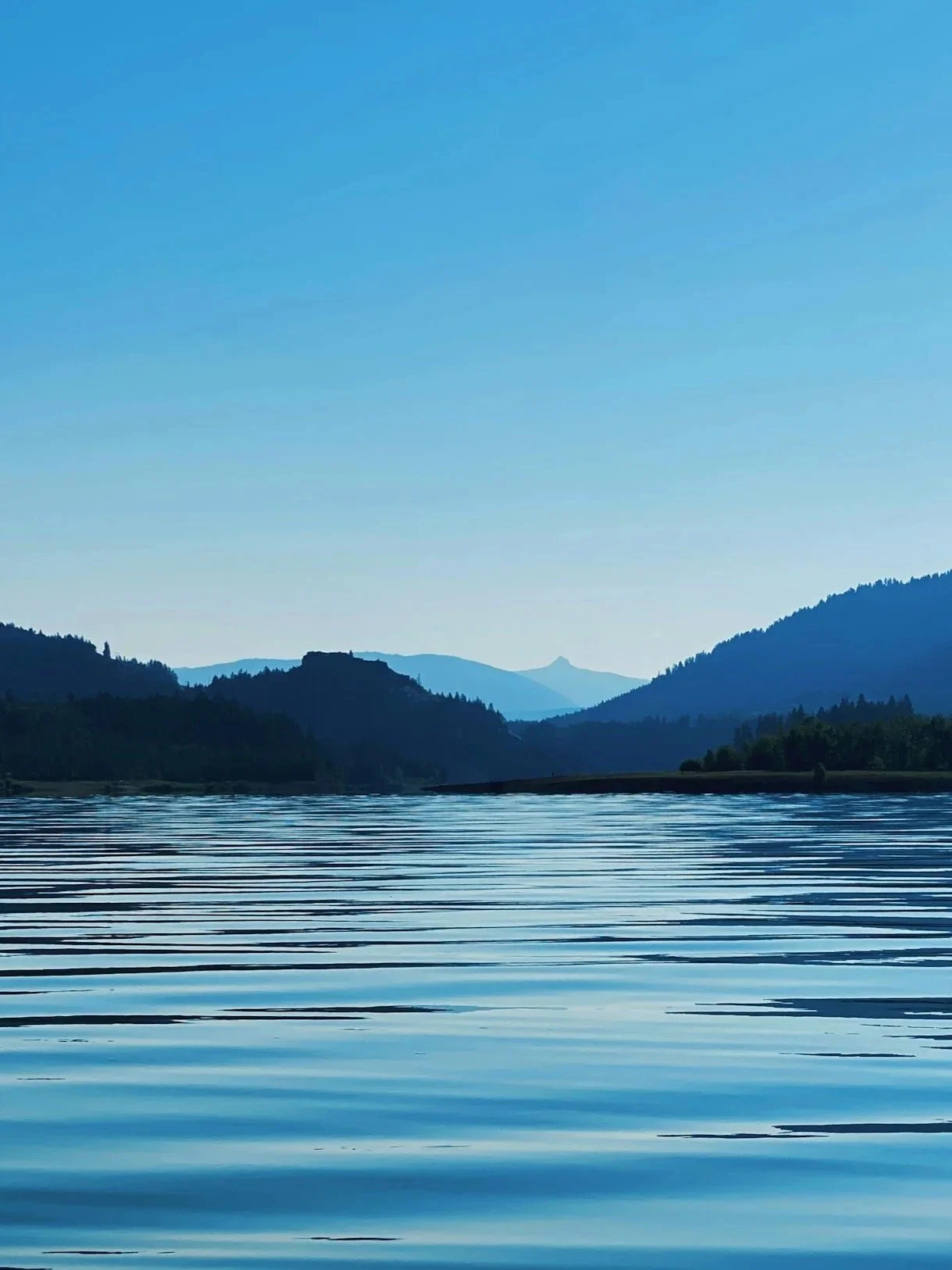
For many of us women in scuba, diving is more than a hobby; it’s our time, a connection to nature, and a little piece of who we are.
Time is valuable - and it’s important to try to make it work for you in your current norm.
But what happens when you live hours (or states) away from the ocean? How do you keep your skills sharp, your gear ready, and your passion alive when the nearest reef or dive is thousands of miles away?
Well, you could do like I do, and spend an ungodly amount of time searching “Bonaire scuba diving” or “best dive spots” on YouTube.
OR maybe there’s another way to satisfy that itch. You can absolutely stay dive-ready, even when you’re landlocked. Here’s how:
1. Connect with Your Local Dive Shop
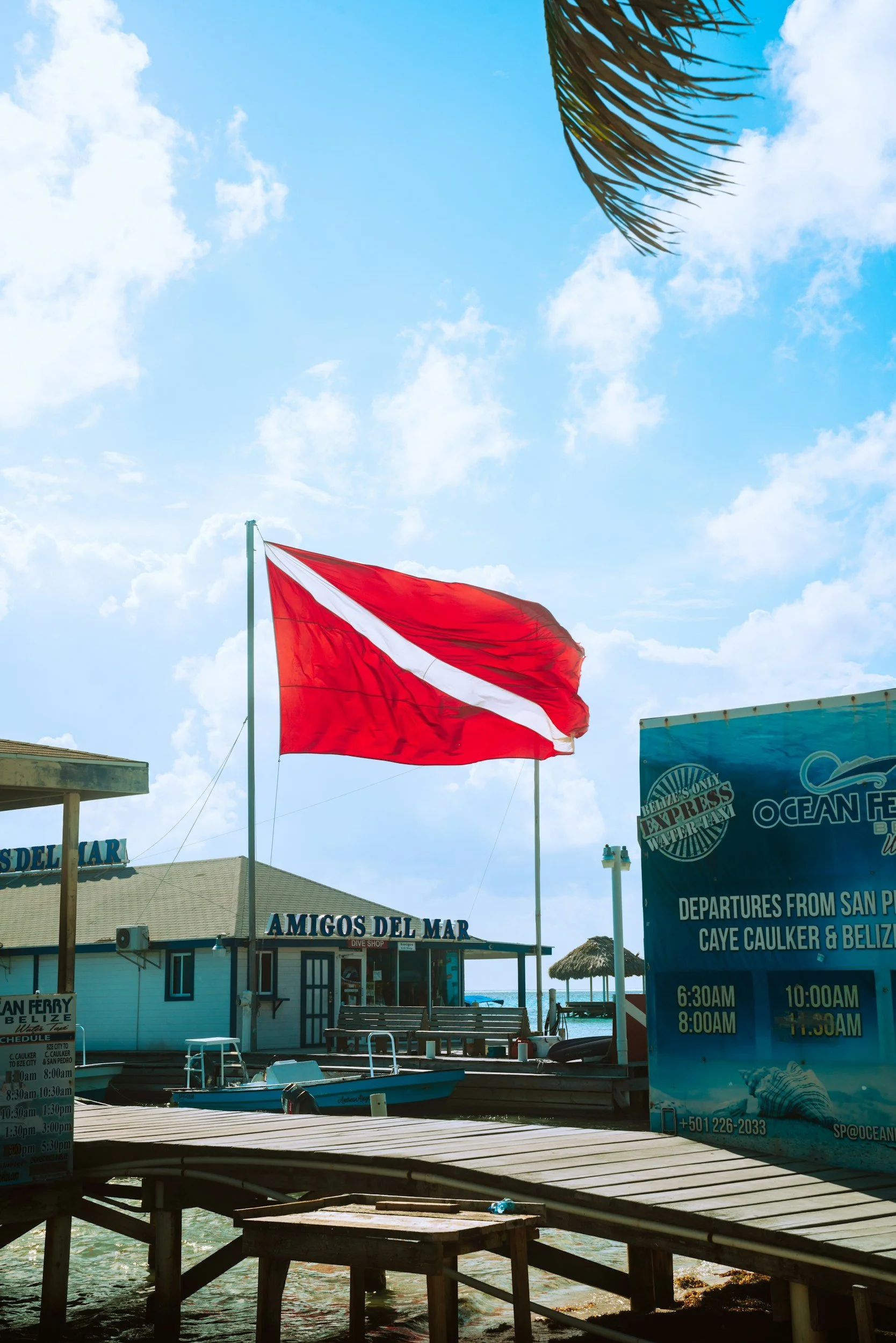
Even if you don’t live near the ocean, chances are there’s a dive shop or scuba training center within driving distance.
These shops are the heart of the inland diving community. Many host pool nights, local quarry dives, and travel trips throughout the year.
👉 What to ask your local dive shop:
Do you offer pool practice sessions or refresher courses?
Are there local dive clubs or meetups?
Do you organize group scuba trips?
For example, shops regularly host classes, (continuing education is everything!), plan out incredible group travel (like us wink wink) well in advance, and offer a great space to find community.
Getting involved keeps you practicing your skills and meeting other divers.
2. Explore Scuba Quarries, Lakes, and Springs
You don’t need the ocean to get wet. (Hardy har har).
Across the U.S., inland divers like us (I’m grouping you in because why else are you reading this post), enjoy clear quarries, natural springs, and freshwater lakes that offer surprisingly decent visibility and interesting underwater life.
A few top landlocked dive spots to try:
Blue Grotto (Florida): Warm freshwater cavern diving with manatees nearby.
Pennyroyal Scuba Center (Kentucky): Clean quarry diving with platforms and submerged boats to explore.
Bonne Terre Mine (Missouri): An underground lake system with surreal lighting—like diving in a cathedral.
Lake Jocassee (South Carolina): Mountain views above, sunken structures below.
Freshwater dives can feel totally different—peaceful, quiet, and eerie in the best way. Plus, they’re often easier to access for quick weekend getaways.
Note, some people don’t care for freshwater quarries due to visibility or temperature. Ensure you’re comfortable with your skills, and have a buddy. If you need a buddy, check out the websites of the locations. Some diving locations such as Blue Water Park quarry in Alabama have Find a Buddy groups - or join one of our Women of the Deep meetups, where we often meetup at quarries and springs!
3. Keep Your Scuba Skills Fresh in the Pool
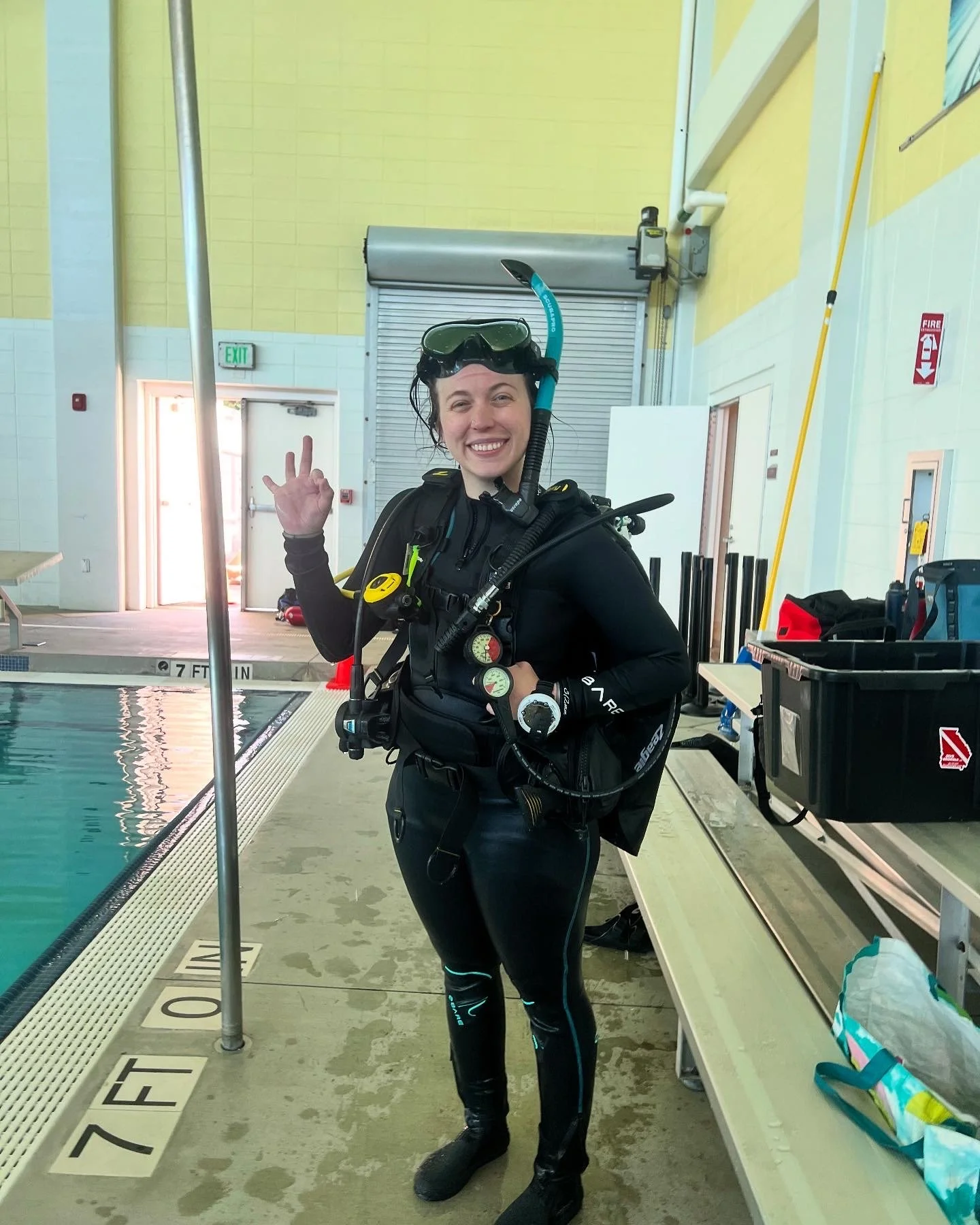
If you’re not actively diving in open water, it’s easy to get rusty—especially with buoyancy control and equipment setup. The solution? The pool.
Even a shallow pool session helps you maintain muscle memory and confidence. Ask your local shop if they host “scuba refreshers” or if you can rent pool time for practice.
What is a Scuba Refresher? They are a way to evaluate your skills and go over the basic.
Scuba Refreshers are great to keep your skills fresh, up-to-date, and a safe. If you can’t get one, try and find out about a safe way to practice on your own or on freshwater dives.
Things to work on:
Neutral buoyancy (hovering practice)
Mask removal/replacement
Regulator recovery
Trim and body position
If you’re a parent, bring your kids along to watch—they’ll love seeing “Mom the mermaid” in action, and it helps plant that early curiosity about diving and the ocean.
4. Join a Dive Club or Scuba Community
Diving might be a solo sport underwater, but on land it’s all about community. Joining a local dive club gives you accountability, motivation, and lifelong friends who share your passion.
Clubs often:
Plan weekend quarry dives or road trips
Offer group travel discounts
Organize social events and clean-ups
Include divers of all experience levels
If your town doesn’t have a club, check online! There are tons of Facebook groups for “landlocked divers,” “Women of the Deep,” and “dive travel lovers” where you can swap advice, find buddies, and plan group trips.
5. Get Your Ocean Fix from Home
Sometimes the best we can do between scuba trips is feed our curiosity and imagination. Luckily, there’s no shortage of ways to bring the ocean to you:
Watch:
My Octopus Teacher (Netflix) — a beautiful reminder of the connection between humans and the sea.
Blue Planet II (BBC) — guaranteed to inspire awe.
YouTube dive channels like DiveTalk, Simply Scuba, and Divers Ready! for education and fun.
Read:
The Soul of an Octopus by Sy Montgomery
Shadow Divers by Robert Kurson
Deep by James Nestor
Follow:
Dive travel bloggers
Marine conservation accounts
Other scuba women sharing their adventures
Immersing yourself in dive-related content keeps your mindset fresh and your motivation high. As mentioned earlier, yes I love a good YouTube binge to quench that wanderlust.
6. Plan Your Next Dive Trip Early

One of the best ways to beat the landlocked blues?
Give yourself something to look forward to.
Start planning your next dive trip months in advance—especially if you’re coordinating PTO, childcare, or international travel. Research your dream dive resorts, compare airfare deals, and set up a travel savings plan.
Or, have it done for you!
As a dive-focused travel advisor, I get to take my obsessive itinerary planning to the next level - by planning your dream trips. From the ideal resort, extra perks, airport transfers, to unique off-gassing day activities- I’m ready to make it happen for you. Email me here to get started: Peyton.Duplechien@fora.travel.
7. Continuing Education
It’s important to stay fresh on our skills as mentioned above with Scuba Refreshers, but it’s also important to stay learning and advancing our skills. An educated diver is a SAFE diver. And ultimately, as much as we love being able to dive, it’s nothing if we’re not being safe. Especially with kids in the mix, it’s critical to do everything in your power to stay informed as a diver and a buddy.
Look into your preferred agency - NAUI, PADI, SSI - or your local dive shop to see what advanced courses you can take. You can even look into specialties that interest you such as Deep Diver, Underwater Photography, or Search and Recovery. Myself this weekend, I’m headed to take a Drysuit course!
Living far from the ocean doesn’t make you less of a diver. If anything, it means you love it deeply enough to keep it alive in your daily life. Whether you’re exploring a quarry, practicing in the pool, or counting down the days until your next saltwater dive, you’re still part of the global diving community.
So keep your scuba gear serviced, your logbook ready, and your mind set to the next adventure. The ocean isn’t going anywhere—and when you finally get back beneath the surface, it’ll feel just as good as you’re imagining it to. Being a landlocked diver takes creativity, patience, and community. But you don’t have to do it alone. Join our group for dive inspiration, travel tips, and a supportive circle of ocean-loving women who get it.
Because no matter where we live, we’ll always find a way back to the water. 💙 (cliche I know but cmon)
